A Heritage Conservation Renovation in Bronte
There are moments in architectural practice that remind you why you do this work. Handing over the keys to this Bronte home last week was one of them.
Getting to know a client over years of collaboration is one of the quiet privileges of residential architecture. Over time, you come to understand not just what your clients want, but what a home genuinely needs to become for the way they live.
Working closely with this young family from the earliest conversations through to completion made this heritage renovation project especially rewarding. Watching them step into the house as their own felt like the perfect conclusion to a deeply considered transformation.
Restoring a 1930s Californian Bungalow in Sydney
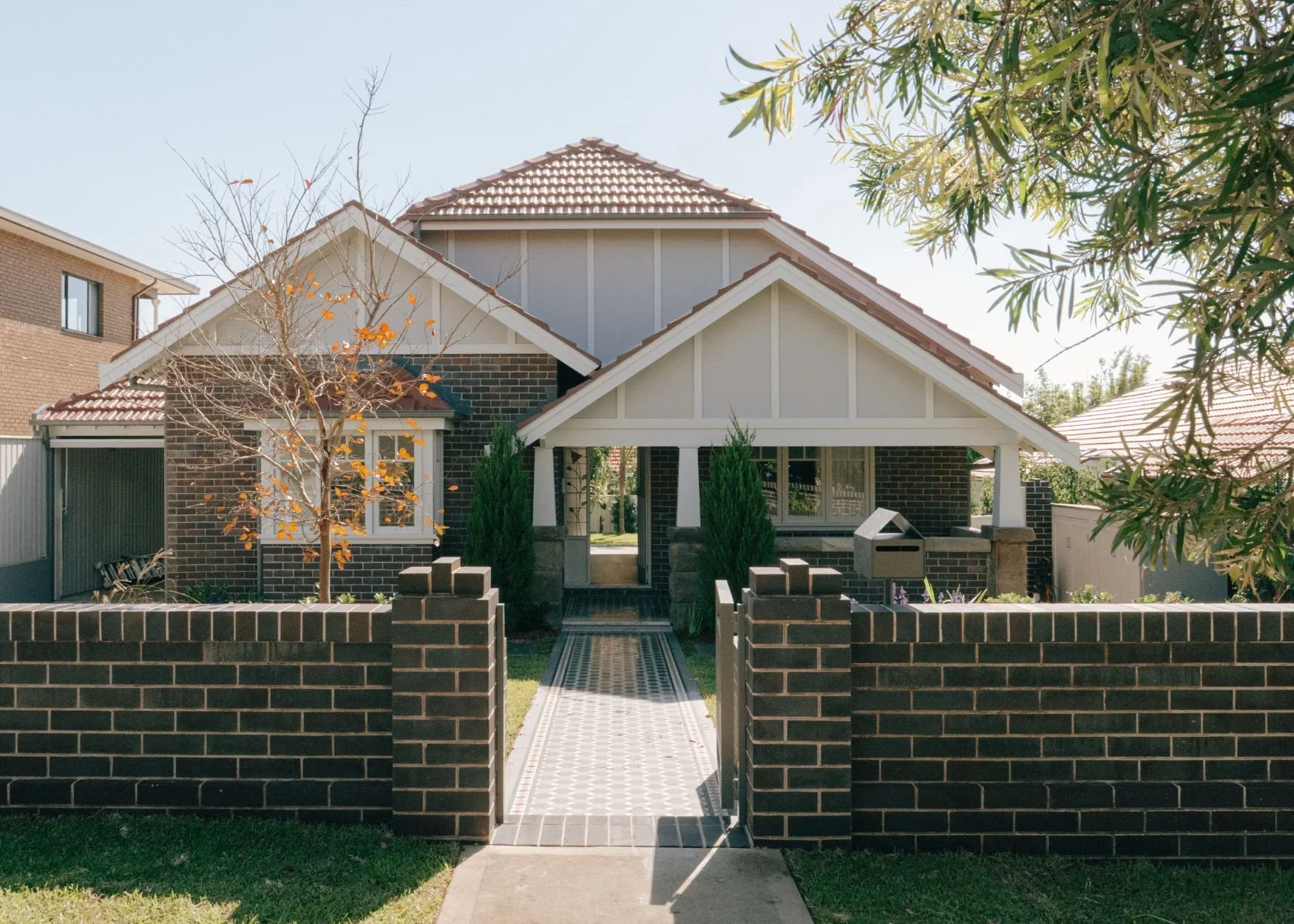
When we first visited the property, it was immediately clear the original 1930s Californian Bungalow had lost much of its architectural integrity through a series of unsympathetic alterations over the decades.
These homes once defined the character of Sydney’s suburban streetscapes throughout the interwar period. Found across the Eastern Suburbs, Inner West and North Shore, Californian Bungalows remain some of Sydney’s most loved heritage homes - valued for their generous proportions, craftsmanship and enduring street presence.
Our approach to this Bronte heritage conservation renovation was grounded in restoration, respect and longevity: carefully recovering the original character of the home while creating a contemporary family residence designed for modern living.
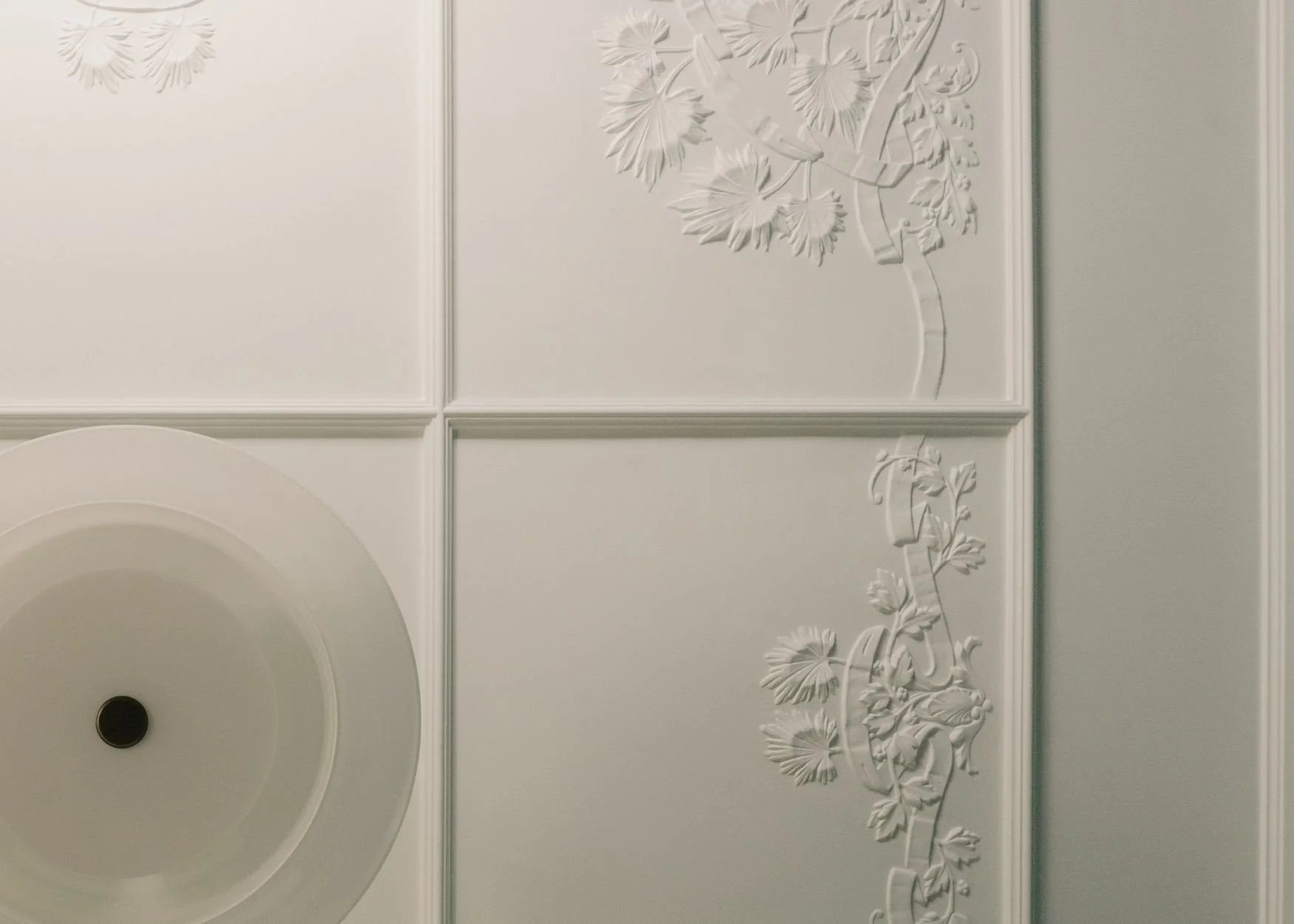
Heritage Architecture Defined by Detail
In heritage architecture, authenticity is rarely achieved through large gestures. More often, it comes down to the specificity of the details - window proportions, material selection, landscape character and the subtle architectural elements that define a home’s identity.
For this Bronte bungalow renovation, that meant reinstating defining features of front exterior of the original Californian Bungalow architecture, including:
New front windows designed in keeping with the home’s original interwar proportions and style
A reconstructed low brick fence with characteristic masonry piers and tessellated tiles
Front rooms with pressed metal ceilings
A carefully curated heritage garden palette
These decisions were fundamental in returning a sense of dignity and authenticity to the original home.
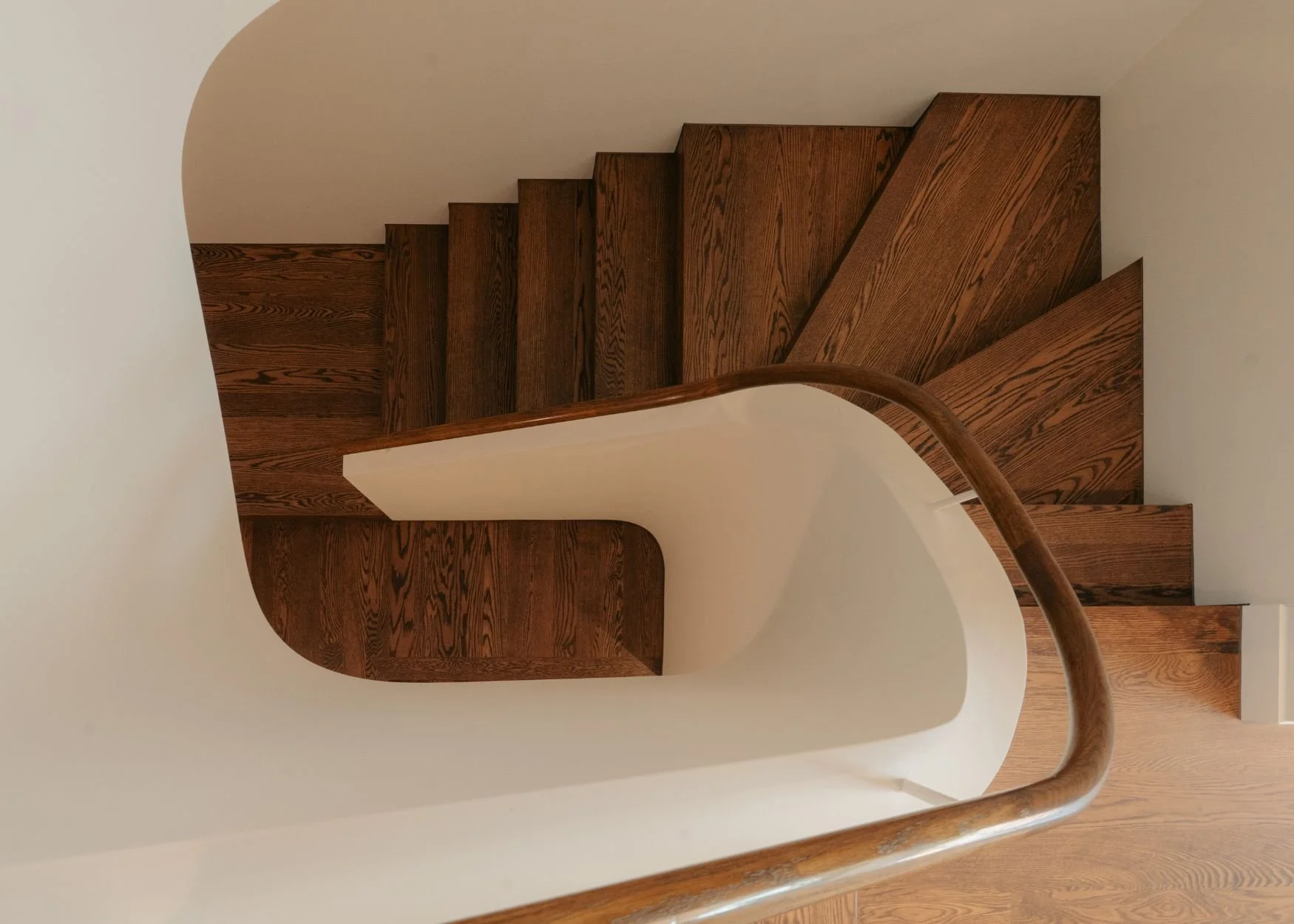
Contemporary Architecture Behind a Heritage Home
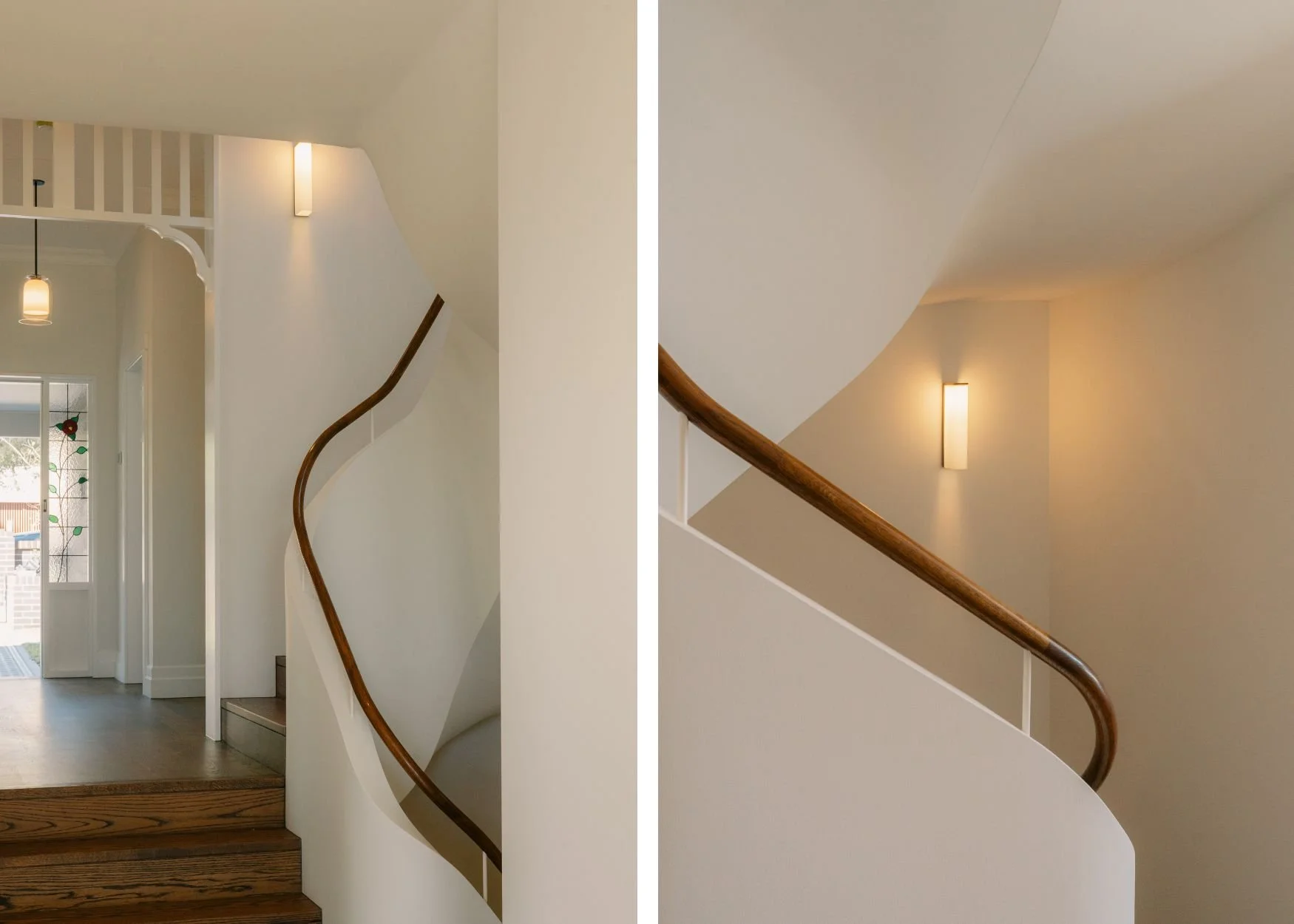
While the front of the house carefully preserves its heritage character, the experience shifts as you move through the home.
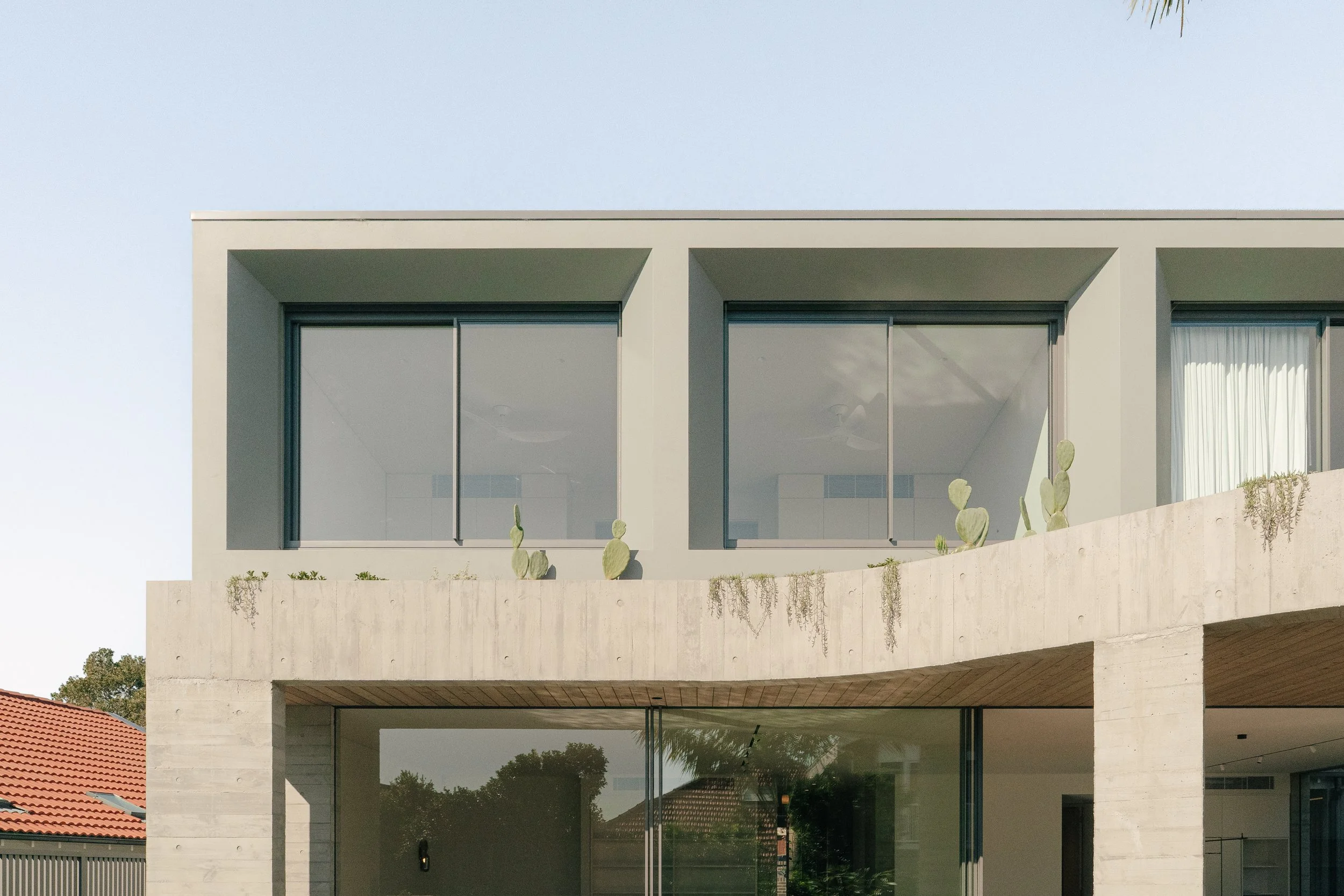
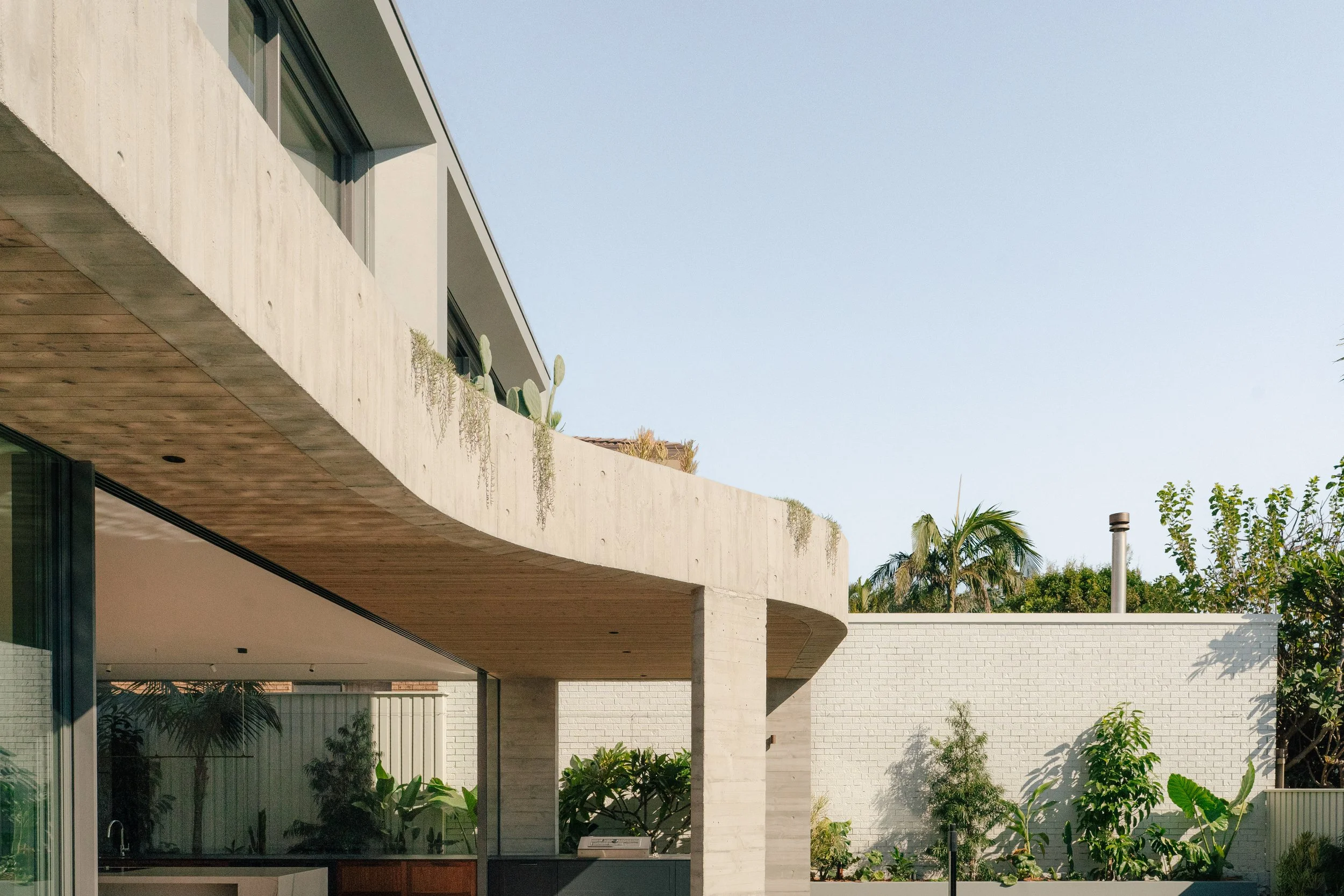
Beyond the restored heritage façade, the house opens into a generous contemporary extension filled with natural light, warmth and connection to landscape. The new addition was designed to support modern family living - creating flexible communal spaces, stronger indoor-outdoor relationships and improved environmental performance.
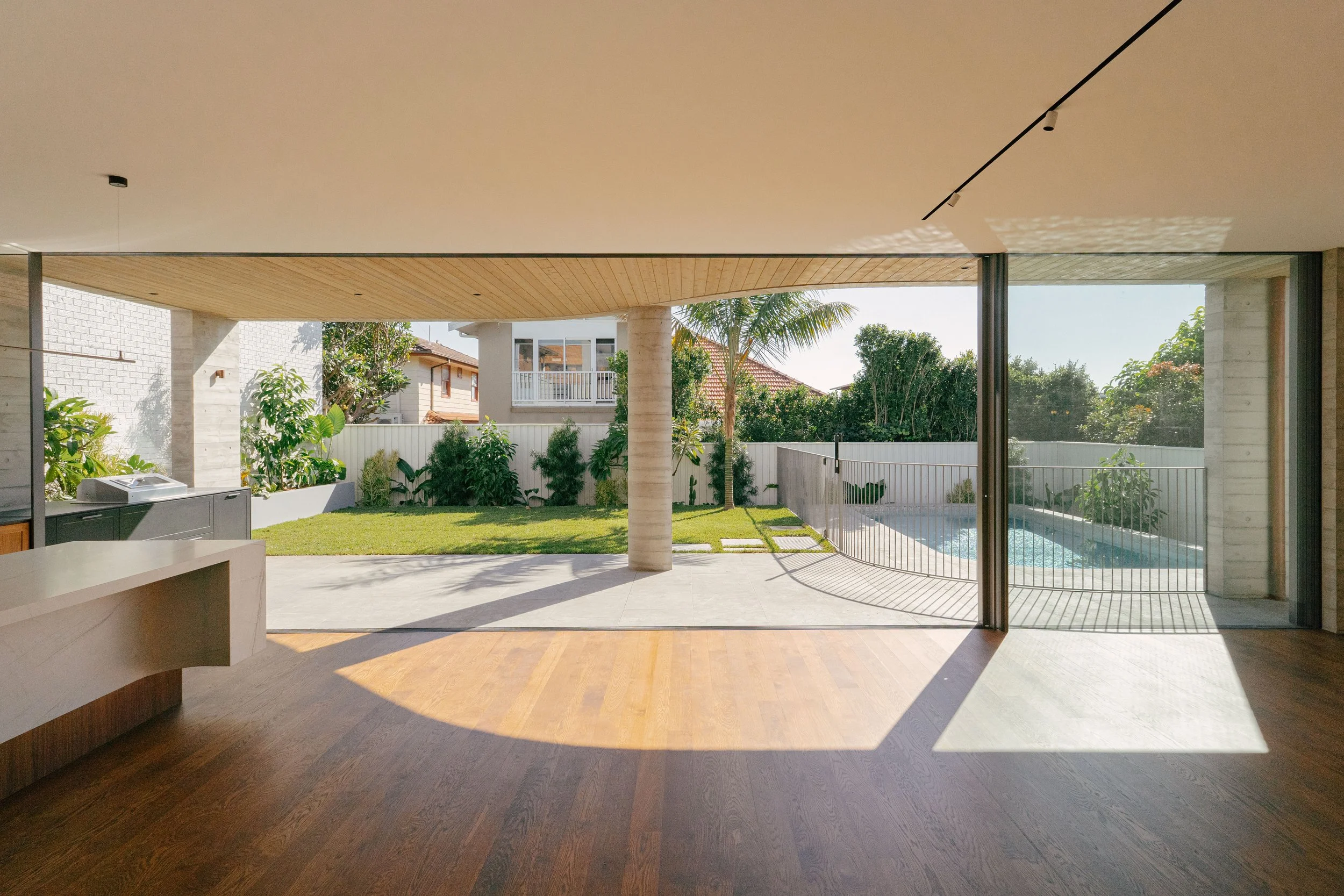
The result is a home that balances heritage conservation with contemporary residential architecture: honouring where the house came from while supporting how this family wants to live today. Tradition meeting contemporary.